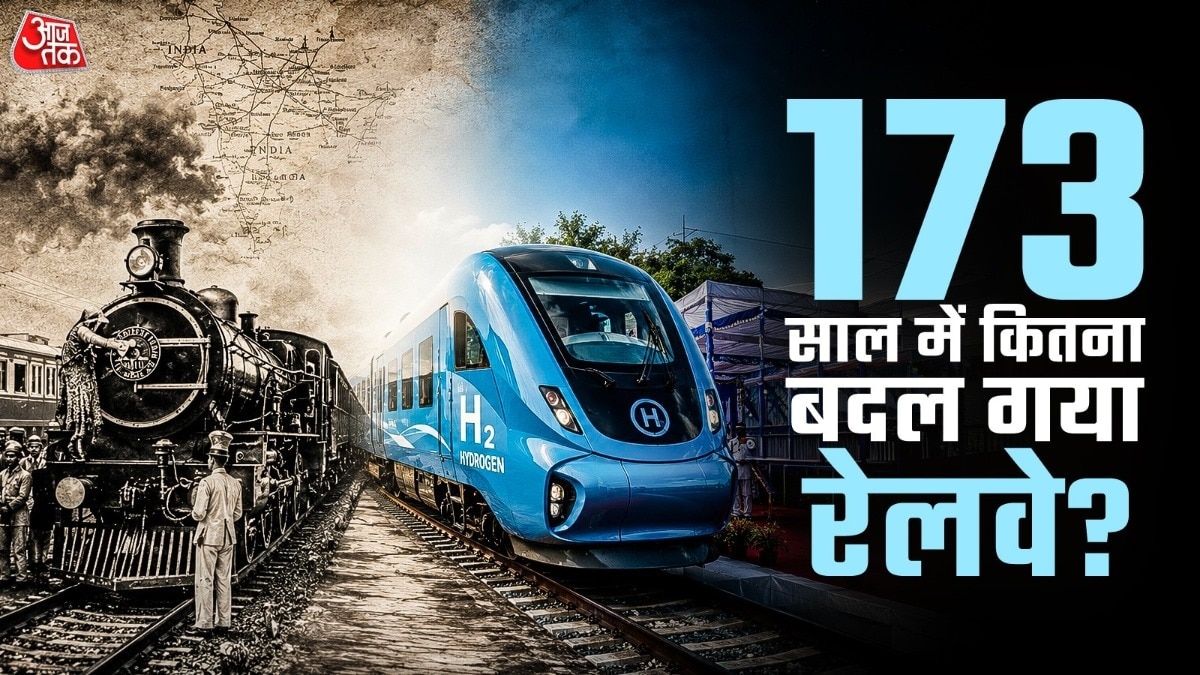
From Steam Engines to the Hydrogen Era: The 173-Year Journey of Indian Railways
The Historical Evolution:
1. The Steam Era (1853): The journey began on April 16, 1853, when the first passenger train traveled 34 km from Bombay's Bori Bunder to Thane. Pulled by three steam engines—Sahib, Sindh, and Sultan—it carried 400 passengers across 14 coaches. Steam engines defined the early decades, characterized by their reliance on coal, high maintenance, and significant emissions.
2. The Diesel Transition (1960s): By the 1960s, Indian Railways began transitioning to diesel power, which offered greater speed, power, and efficiency, becoming the backbone of the network for decades.
3. The Electric Shift: To prioritize environmental sustainability and cost-effectiveness, the railways aggressively pursued electrification. Today, the majority of the broad-gauge network is electrically powered, significantly reducing fuel costs and enhancing train speeds.
The Hydrogen Frontier:
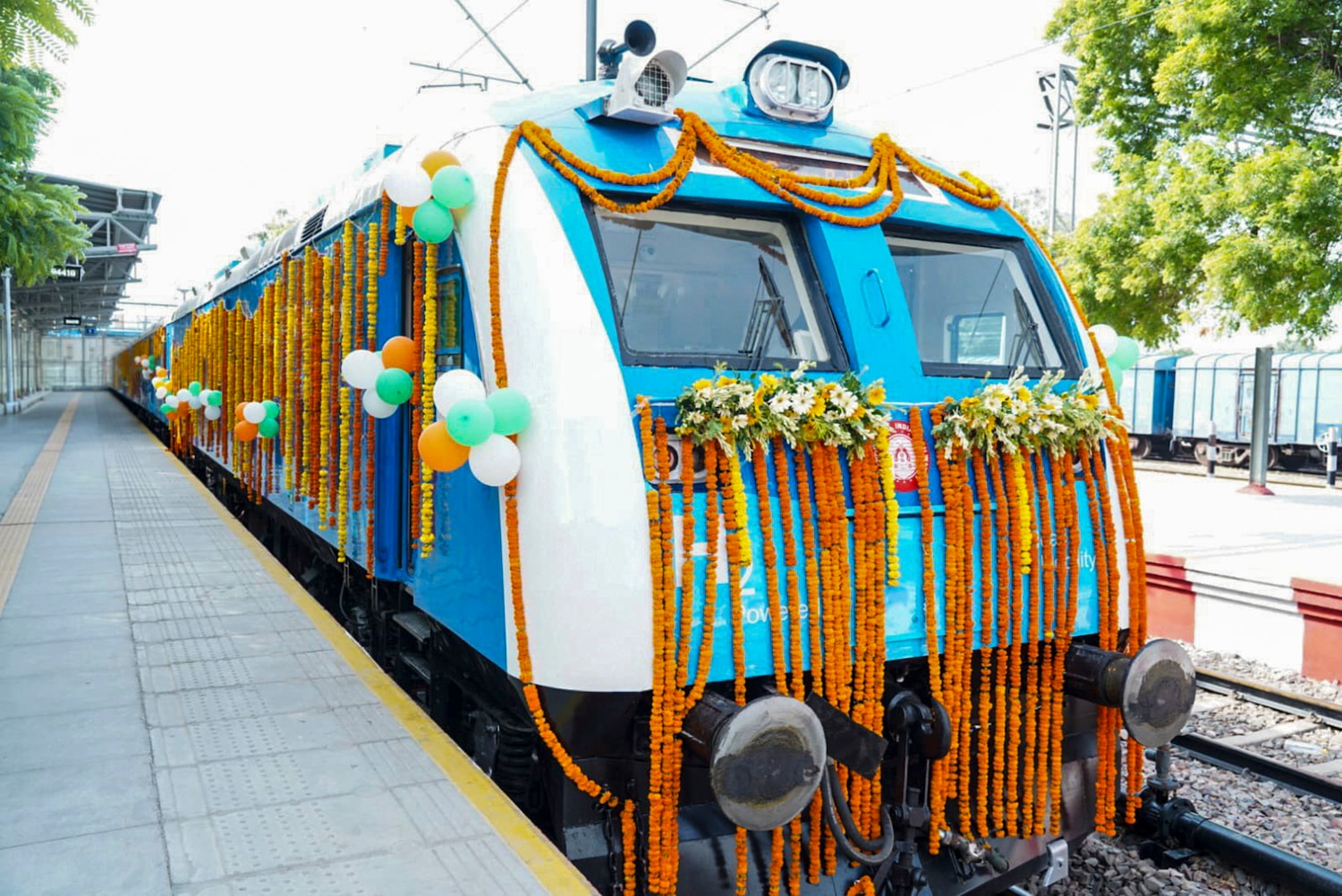
India's first hydrogen train, operating on the 89-km Jind-Sonipat route, represents the next generation of transport.
Technology: The train utilizes hydrogen fuel cell technology where hydrogen and oxygen undergo a chemical process to generate electricity. This process emits zero carbon, releasing only water vapor.
Operations: The train covers approximately 356 km daily through two round trips. It features advanced safety systems, hydrogen leak detection, and a quiet operating mechanism, reducing noise pollution by about 60 percent compared to diesel counterparts.
Strategic Importance:
The hydrogen train is designed to operate on non-electrified routes without relying on diesel, making it a critical green solution. With an operational speed of 75 km/h (capable of reaching 120 km/h), this initiative aligns with the government's goal to create a safer, faster, and more eco-friendly railway infrastructure. By joining nations like Japan, Germany, and France in hydrogen rail adoption, India reinforces its commitment to global green energy standards.