Gold Buying by Central Banks Puts Trump in Tension
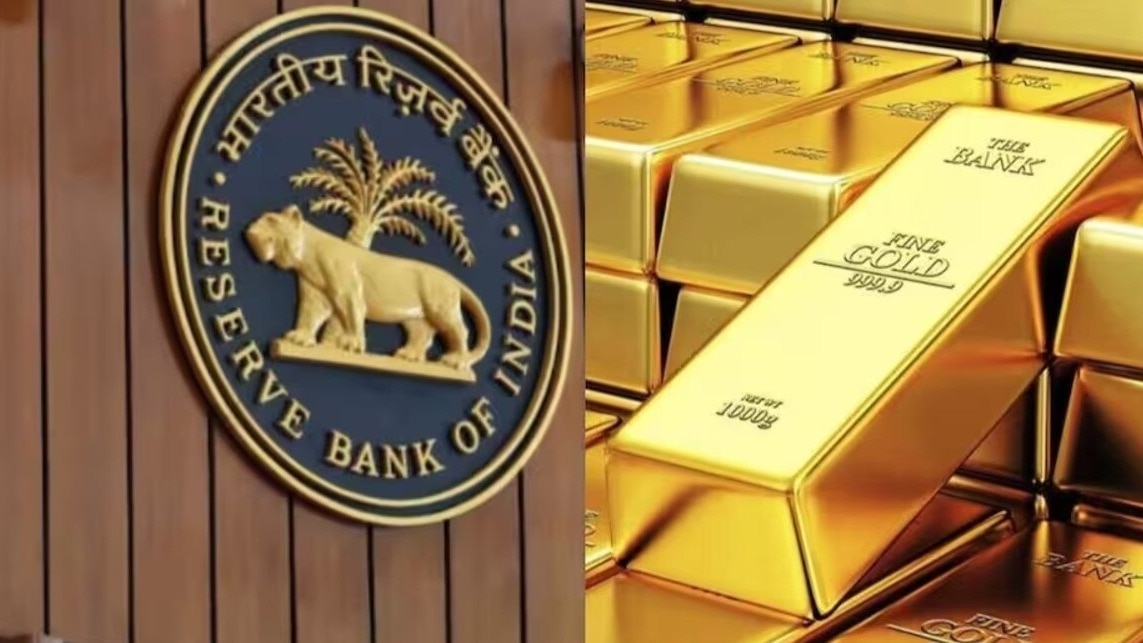
Jefferies Global Equity Strategist Christopher Wood stated in the latest 'Greed & Fear' report that central banks are steadily moving towards real assets like gold. While short-term pressure from rising bond yields may affect gold prices, the structural case for the yellow metal remains strong.
The report comes at a time when investors are increasingly questioning the financial stability of the US government. America’s annual net interest payment on debt has now crossed a record $1.03 trillion, accounting for 19% of federal revenue. Interest costs along with government spending are consuming over 93% of government receipts.
Foreign investors reduced their holdings in US Treasury bonds by $138.4 billion in March — the largest monthly drop since September 2022.
### Top Gold Reserve Holding Countries
According to World Gold Council and IMF data for the first quarter of 2026:
- United States: 8,134 tonnes
- Germany: 3,350 tonnes
- Italy: 2,452 tonnes
- France: 2,437 tonnes
- Russia and China: Over 2,300 tonnes each
- India: Approximately 880 tonnes (8th position globally)
India’s gold reserves make up about 11% of its total foreign exchange reserves.
### Changing Global Financial System
Central banks, especially in emerging markets, are diversifying their reserves and reducing dependence on dollar-denominated assets. Geopolitical tensions, risk of sanctions, and concerns over fiat currencies have strengthened gold’s appeal.
This trend indicates a deeper structural shift in the global financial system. While the US dollar remains the world’s primary reserve currency, central banks are clearly moving towards gold as a store of value.
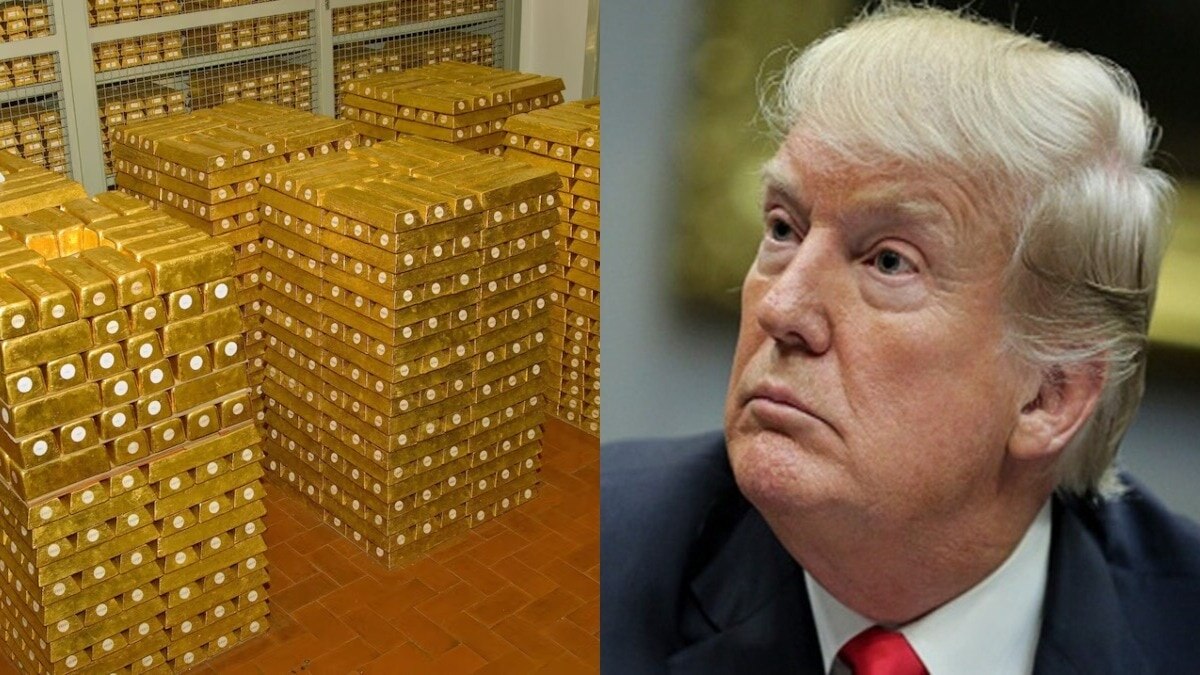
This development is being seen as a challenge to the dominance of the US dollar and is creating fresh tension for the Trump administration.