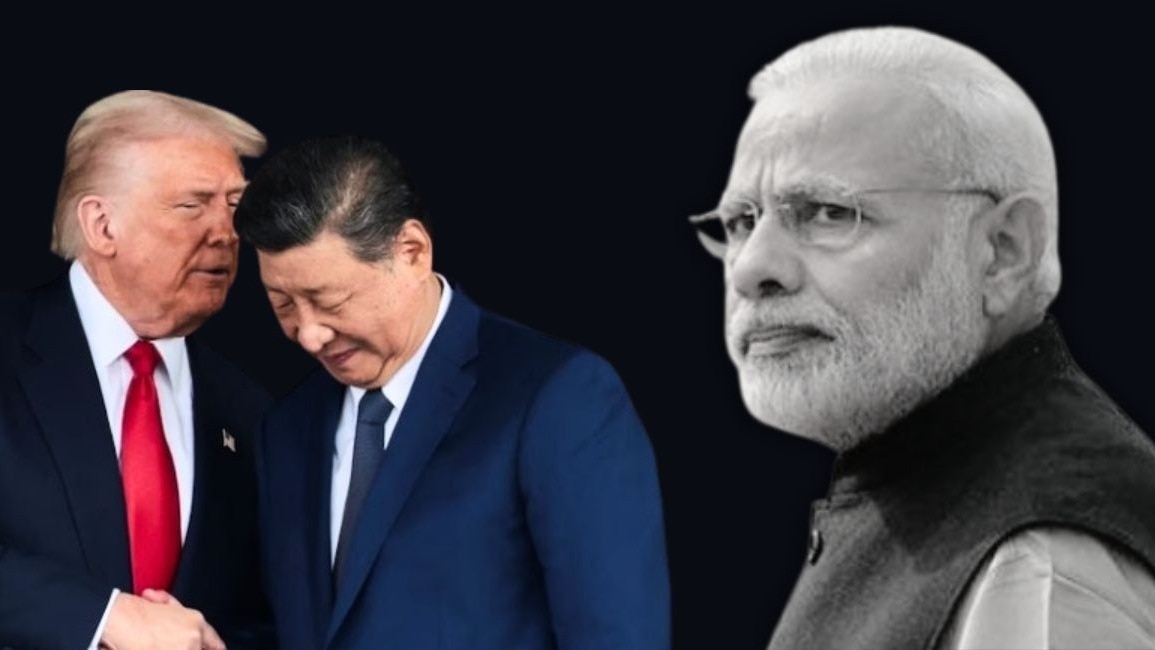
Is G2 Alliance a Danger Signal for India?
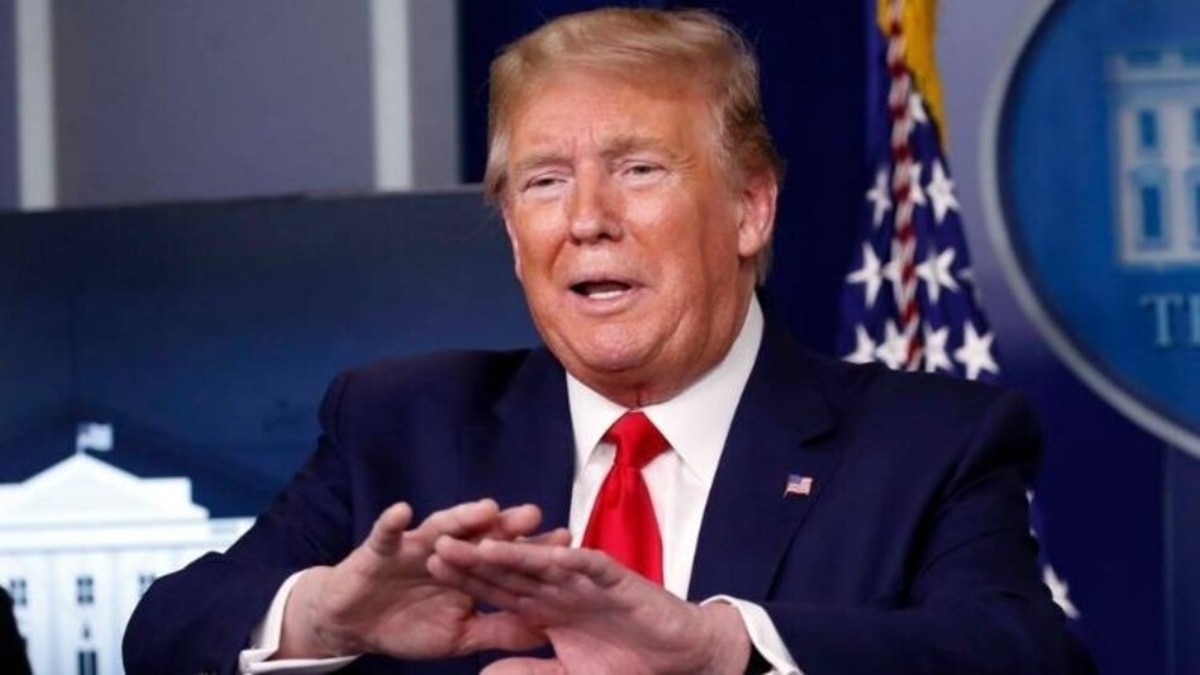
But now the picture appears to be changing. US President Donald Trump is repeatedly using the term 'G2' — meaning the Group of Two, referring to the world’s two most powerful countries: America and China.
At first glance, this may seem like a normal diplomatic phrase, but for India it carries significant strategic implications. The term 'G2' suggests that America and China will jointly decide on major global issues through mutual consultation.
Trump has mentioned his conversations with Chinese President Xi Jinping on several occasions. He has also publicly referred to 'G2' during talks with Prime Minister Narendra Modi. This is what is worrying India.
India’s foreign policy has long been based on the principle of a multipolar world and multipolar Asia. India does not want any single power to dominate Asia. It believes that if China becomes the sole regional superpower, it will affect India’s security, economy, and diplomatic independence.
This is why India, along with America, Japan, and Australia strengthened QUAD. Efforts were also underway to expand it into QUAD Plus. But if America and China start making agreements with each other, India’s entire strategic calculation could change.
Trump’s emphasis on 'G2' appears driven by economic reasons. The long-standing trade war between America and China was hurting both economies. Trump now seems to be shifting from confrontation to negotiation.
There is also a domestic political angle, where Trump wants to project himself as a leader who can resolve major global disputes through dialogue.
QUAD was born to counter China’s growing influence. If America makes a strategic understanding with China, the importance of QUAD may decline. This would be a major challenge for India.
Another concerning development is the US renaming its largest military command from US Indo-Pacific Command back to US Pacific Command. This symbolic change removes the word 'Indo', which was added to highlight India’s importance.
Adding to India’s concerns, a map released by the Pentagon incorrectly showed Pakistan-occupied Kashmir as part of Pakistan, which India views as a serious violation of its sovereignty.
While India-US defence cooperation, intelligence sharing, and military exercises continue, these recent signals cannot be ignored.
India is now strengthening ties with Europe, Japan, Australia, France, Gulf countries, and the Global South. It is also focusing on naval power, defence manufacturing, and self-reliance.
'G2' is not yet a formal alliance. America has not ended its relationship with India. But in politics, changes often begin with signals.
Trump’s repeated mention of 'G2', reduced focus on QUAD, and removal of 'Indo' from the command name are signals India must take seriously.
For India, this is not just about US-China friendship. It is about the global order in which New Delhi sees itself as an emerging major power. If the world shrinks to two superpowers — America and China — the challenges before India could become much greater.
In such a scenario, India will need to reduce over-dependence on America and accelerate its own naval power in the Indian Ocean region.