
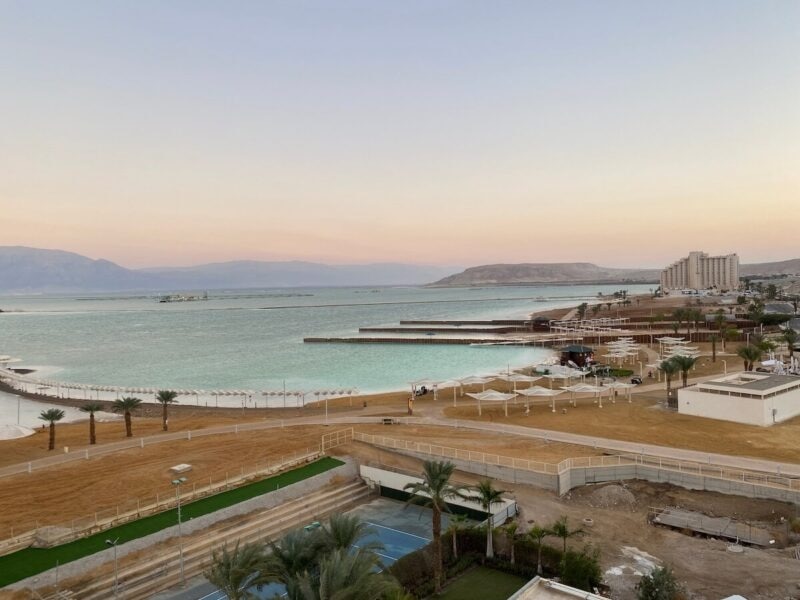
Neve Zohar: Life at Earth's Lowest Inhabited Point
Unique Geographical and Atmospheric Features:
- Oxygen-Rich Air: Due to the extreme depth and high atmospheric pressure, the air here contains 8-10% more oxygen than at sea level, which is often cited as beneficial for individuals with respiratory or cardiac conditions.
- Natural Protection: The depth provides a natural filter for harmful ultraviolet (UV) rays, significantly reducing the risk of sunburn even in intense heat.
- The Dead Sea: The village is adjacent to the Dead Sea, characterized by water that is approximately 8.6 times saltier than typical seawater (34% salinity), making it impossible for swimmers to sink.
History and Community:
- Origins: The settlement began in 1964 as a small work camp for factory laborers working near the Dead Sea. It eventually evolved into a permanent residence for a small, tight-knit community of approximately 166 people.
- Administrative Role: Despite its small size, Neve Zohar serves as the headquarters for the 'Tamar Regional Council.'
Challenges of Living in the 'Depths':
- Extreme Weather: Residents face harsh, dry summers where temperatures frequently exceed 45°C-47°C. Annual rainfall is minimal, often totaling only 40-50 mm.
- Isolation and Infrastructure: The village lacks basic commercial infrastructure such as large supermarkets, restaurants, or nightlife. Residents typically rely on private vehicles to travel to the city of Arad, located 25 km away, for groceries and advanced medical care.
- Environmental Concerns: The Dead Sea is receding at a rate of about 1 meter per year, causing dangerous sinkholes to form in the surrounding areas, which presents a long-term geological challenge for the region.