
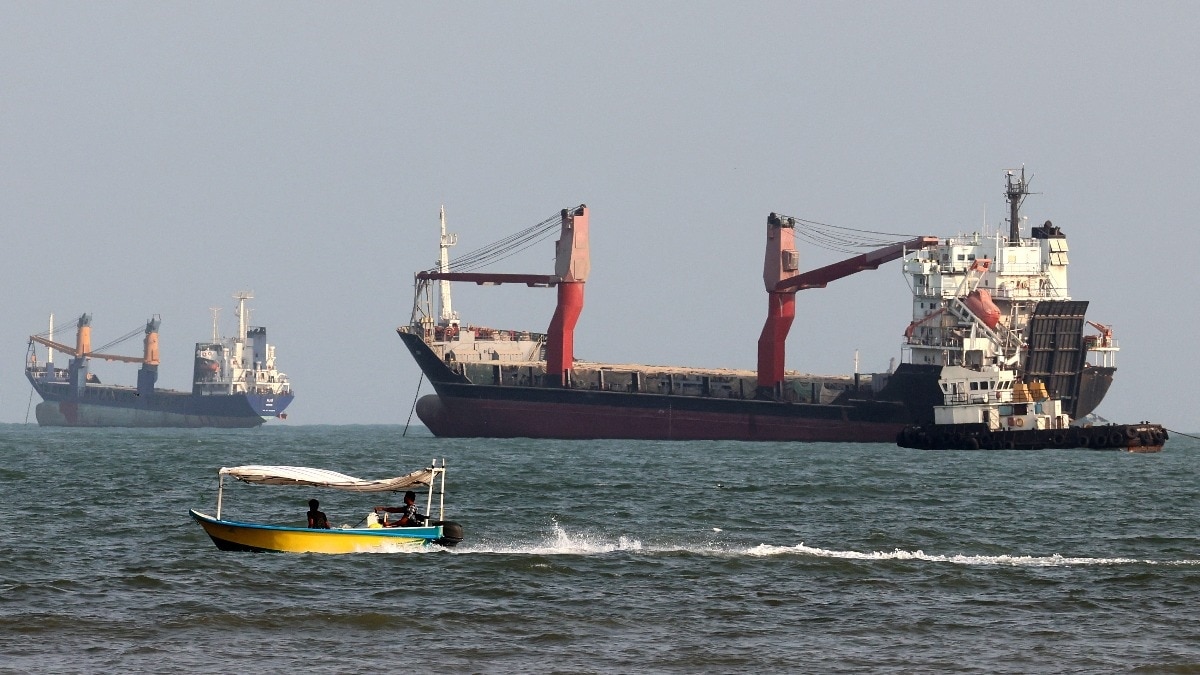
Strait of Hormuz Crisis: Blockade and Escalating Tensions Raise Fears of Global Recession
Key Highlights:
- Blockade Impact: Vessel movement has dropped significantly compared to pre-war averages, with zero crude oil tankers transiting on Friday, raising global concerns over oil and LNG supplies.
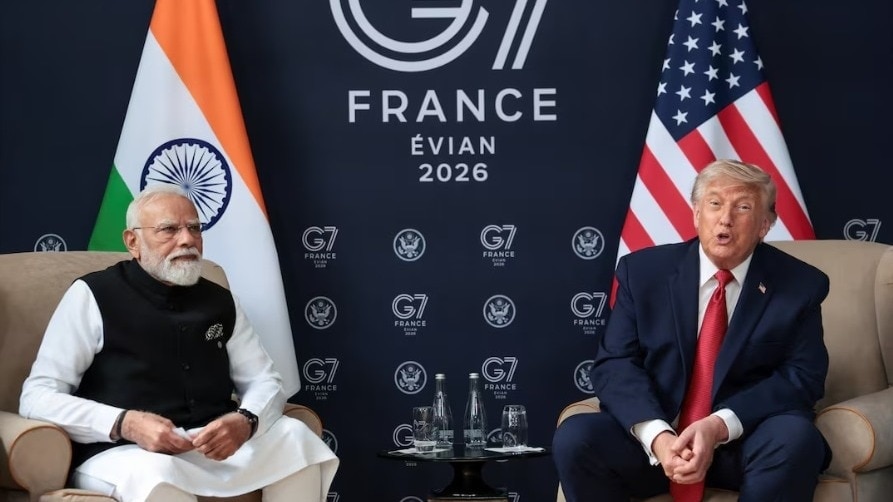
- US Position: President Donald Trump warned of declaring the strait US territory, while defense and treasury officials emphasized continued military presence and unprecedented economic pressure.
- Regional Escalation: An Iranian parliamentary committee approved a bill to block vessels belonging to the US, Israel, and allied nations, alongside recent drone strikes by Houthi rebels targeting Saudi facilities.
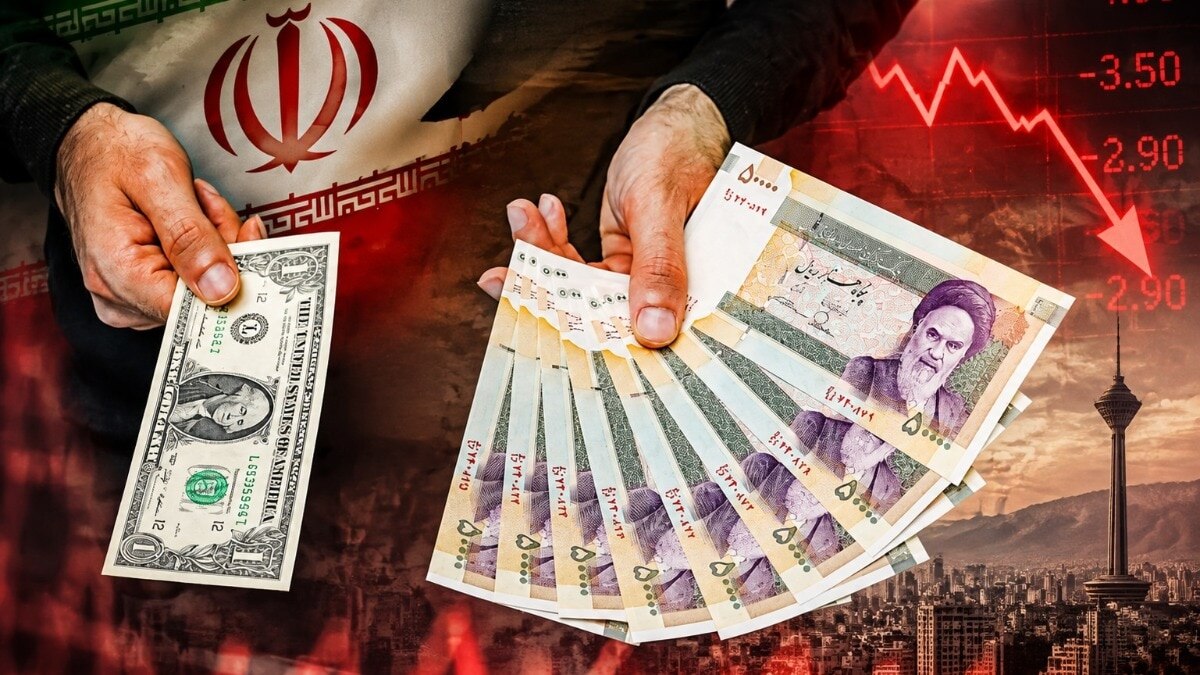
- Economic Fallout: Economists warn that prolonged disruption could stall global economic growth and push vulnerable regions toward a recession, keeping oil prices elevated around 87 dollars per barrel for Brent crude.
)
