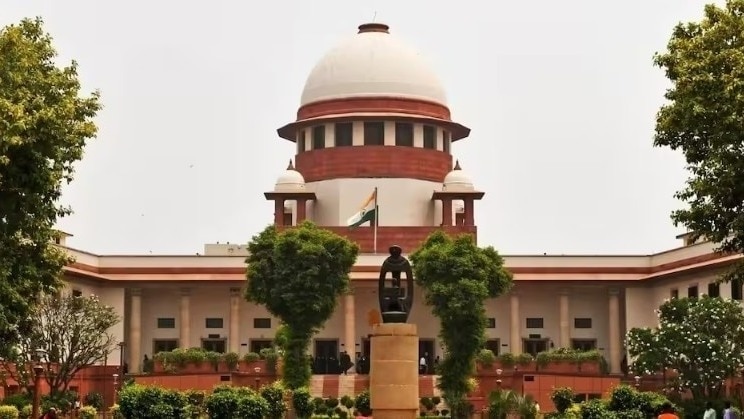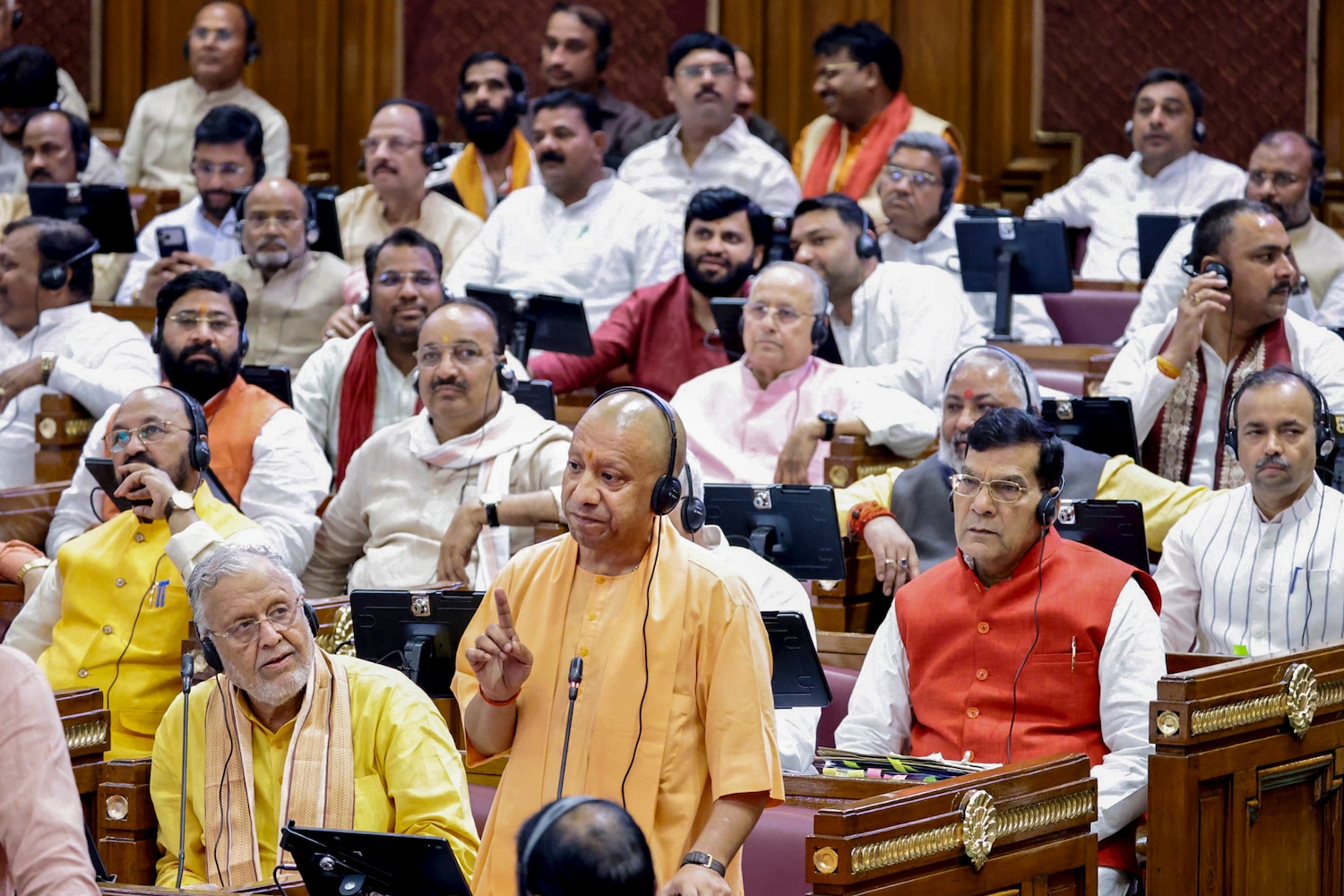
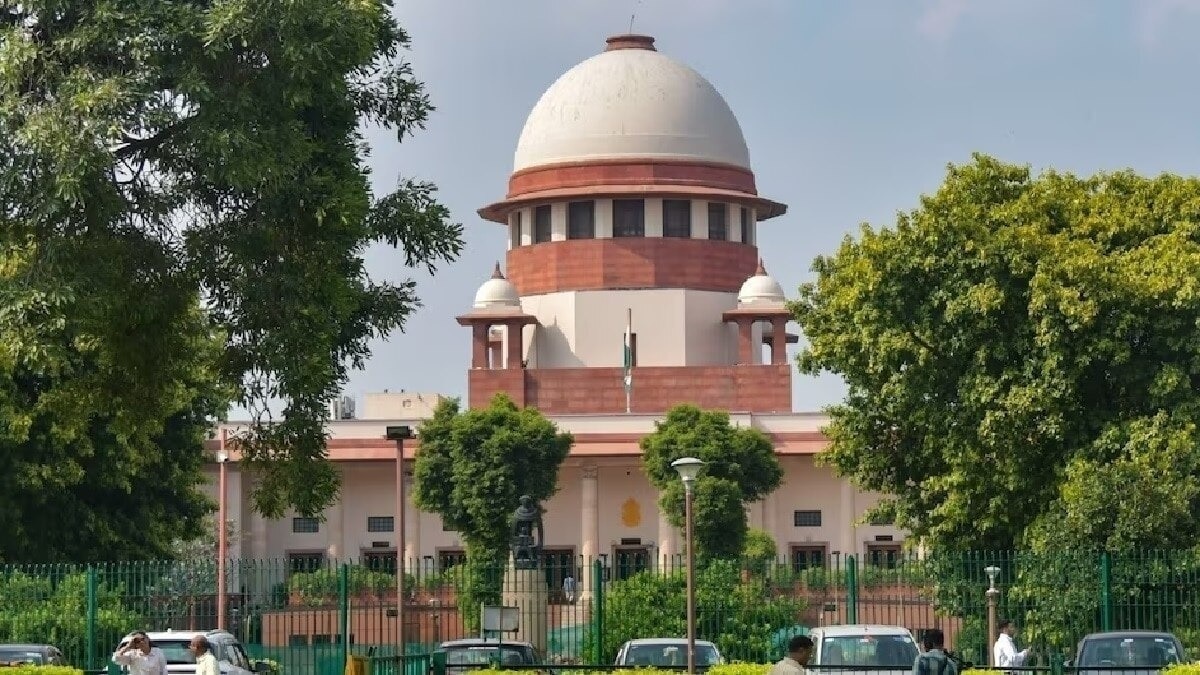
Supreme Court Issues Notice to Centre on CBSE's Three-Language Policy
While the court refused to issue an immediate stay on the policy, it emphasized that any decision regarding a suspension would only be made after a comprehensive hearing on the matter, which falls under the National Education Policy (NEP) 2020. The court did remark, however, that learning a new language is never a waste.
### Arguments by Petitioners
The petitioners clarified that they are not against the three-language policy in principle but are challenging the manner of its implementation. Their primary arguments include:
* **Lack of Infrastructure:** Schools currently lack the necessary facilities to implement the mandate effectively.
* **Excessive Burden:** Introducing a new local language for 14-year-olds suddenly imposes undue academic pressure.
* **Hastened Implementation:** While NEP 2020 proposed a rollout by 2029-30, this policy is being enforced abruptly from the 2026-27 academic session.
* **Resource Shortage:** There is a severe scarcity of trained teachers and appropriate textbooks, exacerbating the stress on students.
* **Impact on Foreign Language Learners:** The sudden change is disrupting the progress of students who were already focused on learning foreign languages.
### CBSE's Stance and Key Policy Details
The CBSE informed the court that approximately 47% of its affiliated schools have already adopted the policy. Both the Ministry of Education and the CBSE reiterated that the goal is to promote multilingualism, prioritizing the learning of Indian languages as the third language.
**Key Details of the Policy:**
* **Implementation:** Initially mandated from July 1, 2026, the deadline was extended to July 10, 2026.
* **Requirement:** Students in Class 9 must study three languages, with at least two being of Indian origin.
* **Class 10 Relief:** The board has clarified that there will be no external board examination for the third language in Class 10; evaluation will be based entirely on internal school assessments.