
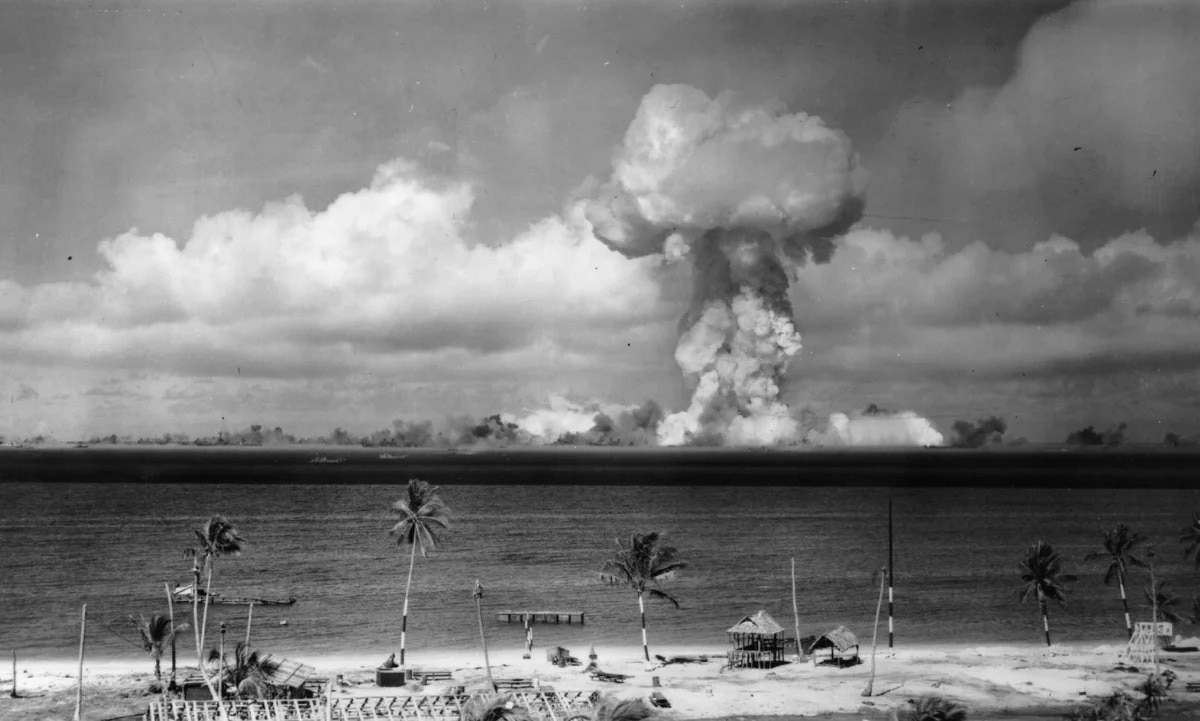
The Day a Hydrogen Bomb Accidentally Dropped on Albuquerque in 1957
The impact triggered the conventional high explosives, creating a massive 25-foot wide and 12-foot deep crater and rattling windows across Albuquerque. However, a catastrophic nuclear detonation was averted because the plutonium core was stored in a separate secure capsule inside the aircraft rather than installed within the bomb. Kept classified for decades until Pentagon documents were declassified in the 1980s, the incident resulted in no casualties. Today, Albuquerque has transformed into a vibrant cultural hub renowned as the hot air balloon capital of the world and famously featured in pop-culture series like 'Breaking Bad', while remnants of the Mark 17 casing and the historical crater remain preserved at local museums and military archives as a sobering reminder of the Cold War era.


)