Will Pakistan’s Decision to Scrap Period Tax Change Lives?
According to reports, sanitary products were earlier taxed at 18% locally and up to 25% on imported items, making them expensive for many. UNICEF data shows that only 12% of women in Pakistan use market-bought sanitary pads. Most rely on old cloth or other household alternatives, which often lead to skin infections and other health problems.
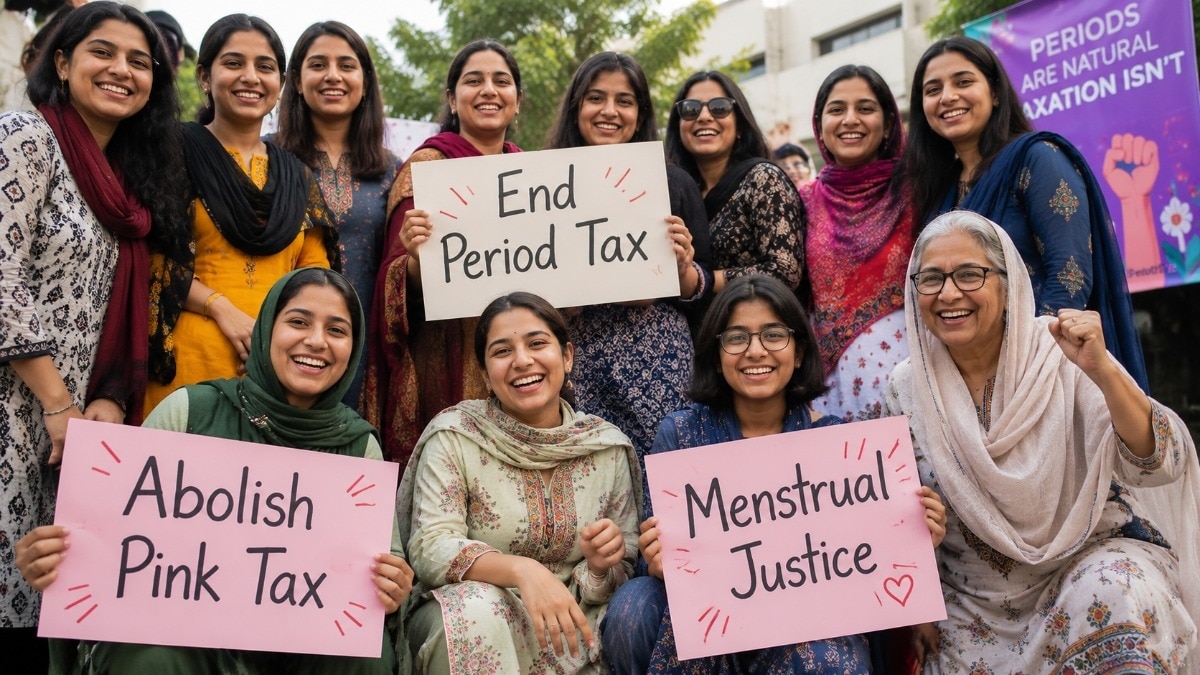
Women’s rights organisations and period health activists have welcomed the decision. They argued that taxing an essential item required by women every month was unfair. This tax was popularly known as the 'Pink Tax' or 'Period Tax'.
The move gained momentum after a legal petition filed by 25-year-old Pakistani lawyer Mahnoor Omar from Rawalpindi. She questioned why sanitary pads were not treated as essential items while many other daily products were given tax exemptions. Her petition received massive support on social media.
Organisations working on menstrual justice say that removing the tax is only the first step. For real change, access to clean water, proper sanitation facilities, correct information, and ending the social stigma around periods are equally important.
The decision is being seen as a big step towards menstrual equity in Pakistan. Activists hope that cheaper sanitary products, combined with better awareness and infrastructure, will improve the lives of millions of women and girls, especially in rural and low-income areas.