Anthracnose Disease in Guava During Monsoons: Causes, Symptoms, and Prevention
Key Highlights:
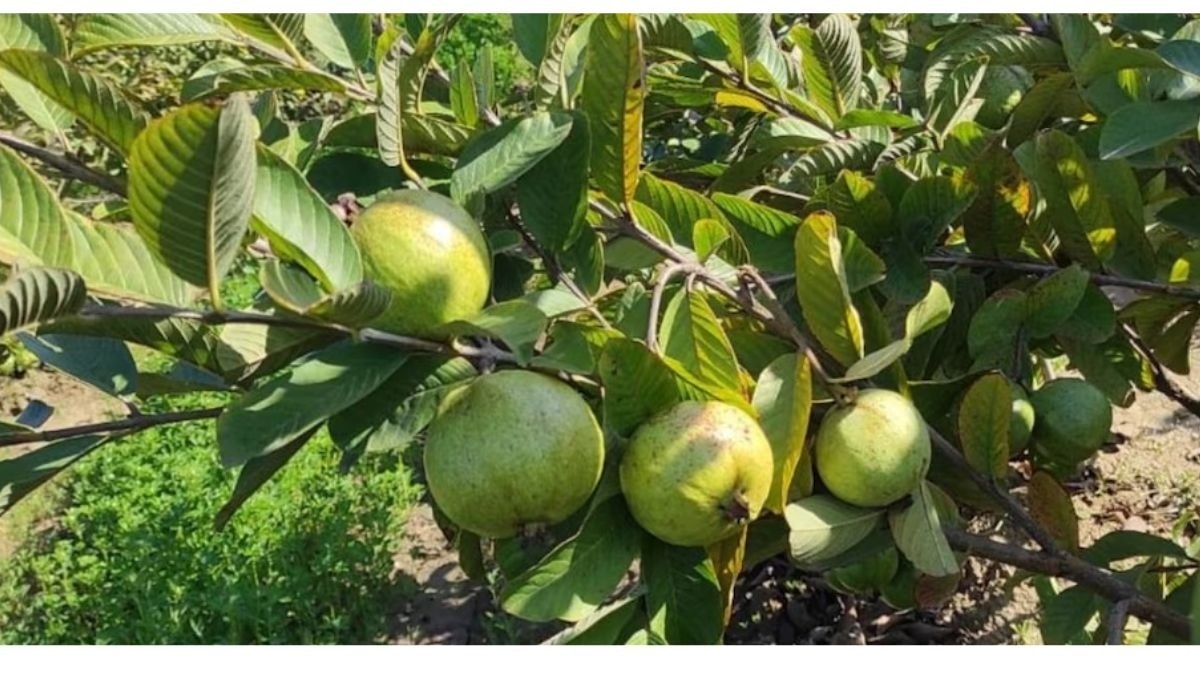
- Symptoms: Characterized by black or chocolate spots on tender leaves, twig dieback, premature bud drop, and sunken black lesions on fruits that cause deep rotting.
- Favorable Conditions: High humidity (above 85%), temperatures between 24-30°C, dense foliage, poor ventilation, and water stagnation.
- Prevention & Management: Orchard sanitation, removing infected leaves and fruits, proper pruning, applying copper oxychloride on cut areas, and spraying fungicides like hexaconazole or propiconazole (2 ml per liter of water) during early symptom detection.