
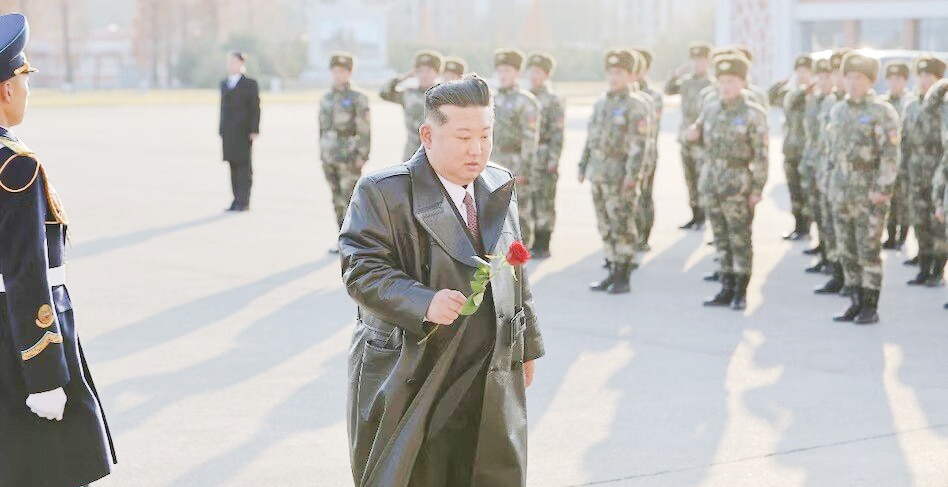
The Darkness of Dictatorship: How North Korea Transformed from an Industrial Hub to an Isolated State
Key Highlights:
- The 'Jerusalem of the East': Before the Korean peninsula's division in 1948 and the rise of Kim Il-sung, northern Korea—particularly Pyongyang—was a thriving hub of Christian culture, modern education, arts, and freedom of expression.
- Industrial & Economic Pre-eminence: During the Japanese colonial period (1910–1945), the resource-rich northern region was developed as an industrial hub with heavy factories and hydroelectric plants, initially outpacing the agrarian south.
- The Turning Point: Post-World War II division, the devastation of the Korean War, and the adoption of the rigid 'Juche' (self-reliance) ideology by the Kim regime isolated the country, culminating in severe economic decline, the 1990s famine, and total suppression of personal freedoms.
- Totalitarian Control ('Songbun'): Modern North Korea operates on a strict social classification system based on familial loyalty to the Kim family, dictating citizens' housing, employment, and education in an environment devoid of internet and personal liberty.


)