Rising Tensions in Strait of Hormuz: India Shifts Import Routes Amid Export Risks
Key Geopolitical Developments:
Shifting Import Routes: To ensure energy security, India is actively diverting its crude oil and LNG imports away from the Strait of Hormuz, favoring routes through the UAE and Oman to mitigate potential supply chain risks.
Security Threats: Reports indicate that Iran has threatened to target alternative transport infrastructure, including the Fujairah pipeline and Saudi Arabia's East-West pipeline, if its own oil exports are blocked.
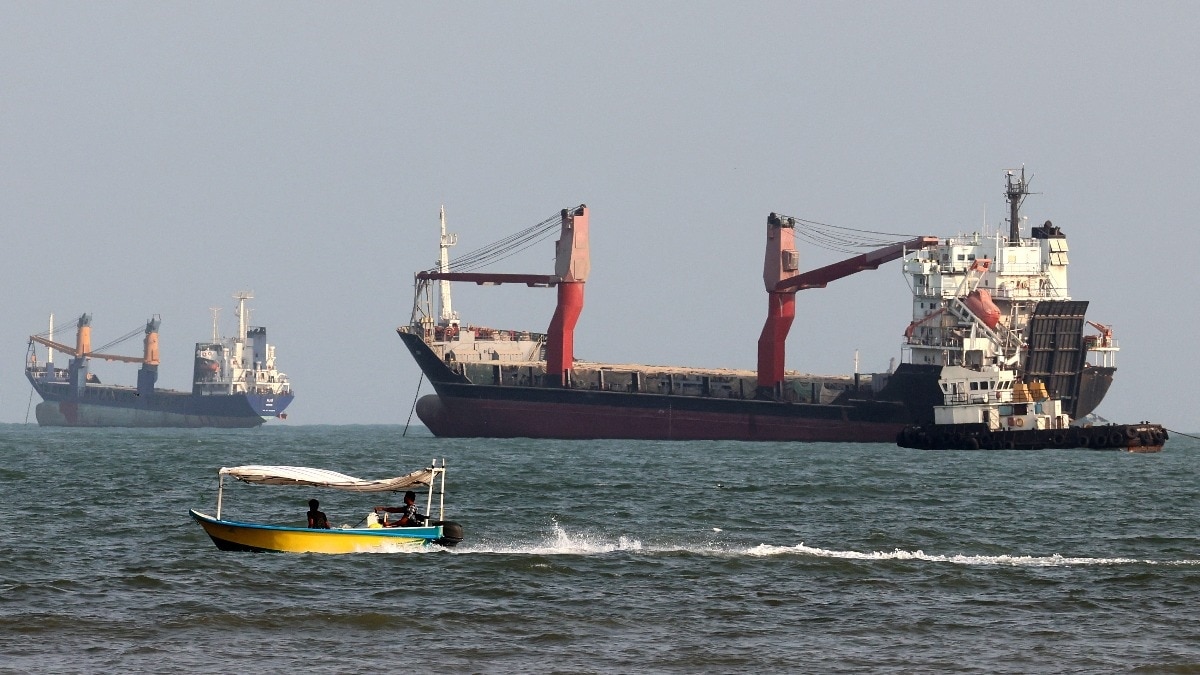
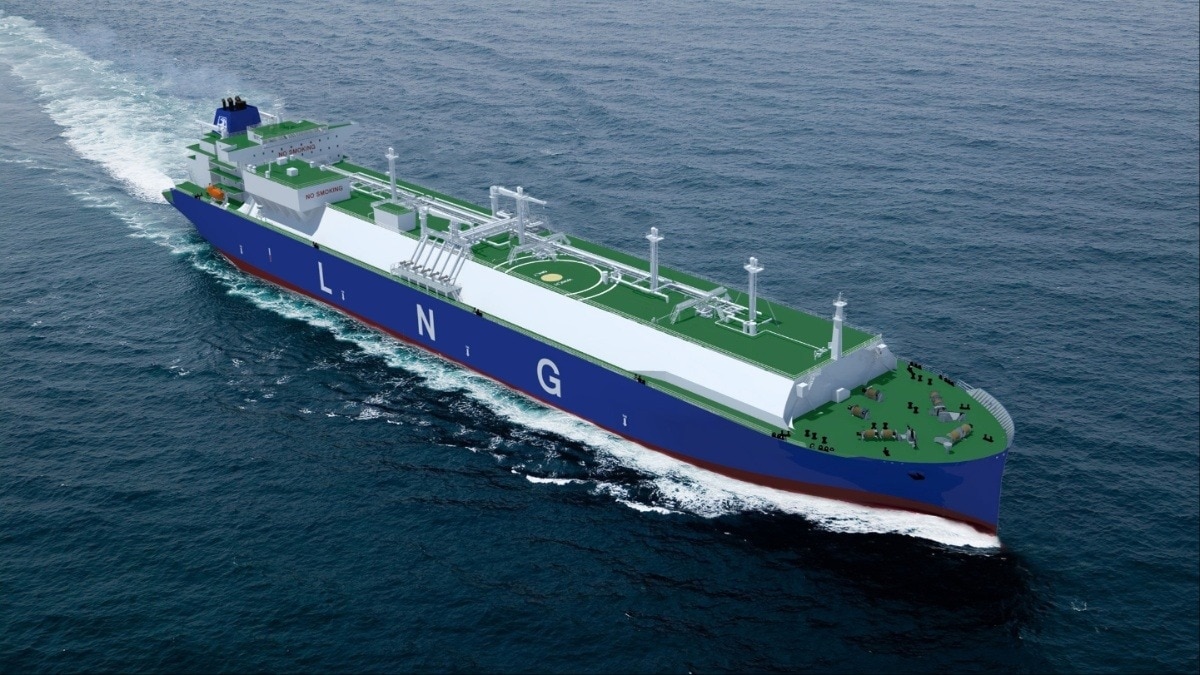
Shipping Decline: Data from S&P Global Energy indicates a sharp decline in LNG transit. The 10-day average for loaded LNG vessels passing through the Strait fell from approximately 0.8 cargoes per day in late June to just 0.2 by July 15. This caution follows the July 7 attack on the 'Al Rekayyat' vessel, the first direct strike on an LNG carrier since the conflict escalated.
Production vs. Logistics: Despite the stagnation in exports, LNG production and loading at plants like QatarEnergy LNG and UAE's ADNOC LNG remain robust. This has resulted in a significant backlog of loaded tankers waiting within the Persian Gulf.
Future Outlook: Estimates suggest that approximately 1.9 million metric tons of LNG tanker capacity is currently waiting within the Gulf. Experts believe that if the effective blockade or security risks in the Strait of Hormuz are mitigated, these vessels could quickly normalize supply chains, clearing the current stockpile of pre-produced and loaded LNG.
)