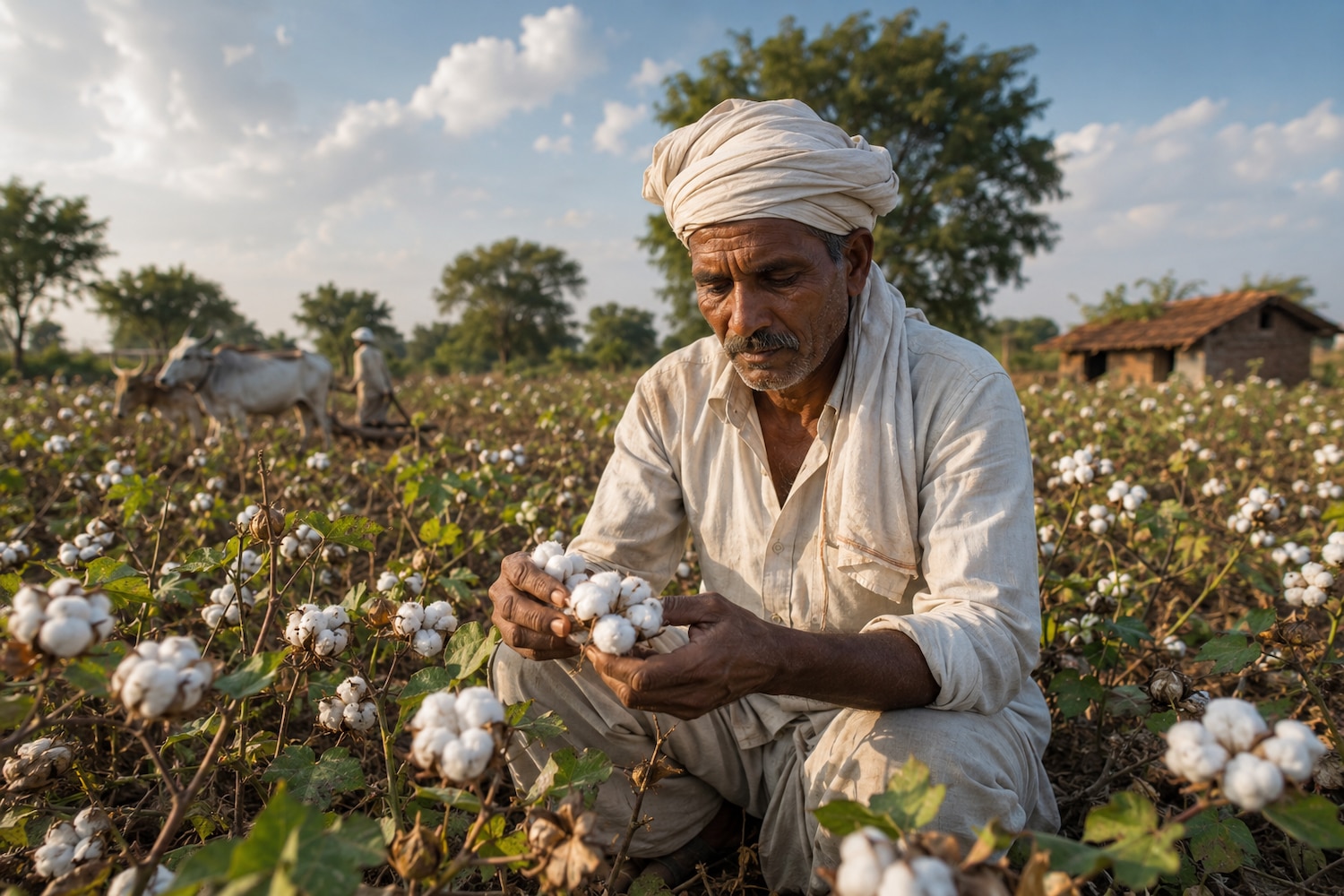
World's Largest Organic Cotton Producer, Yet Indian Farmers Struggle
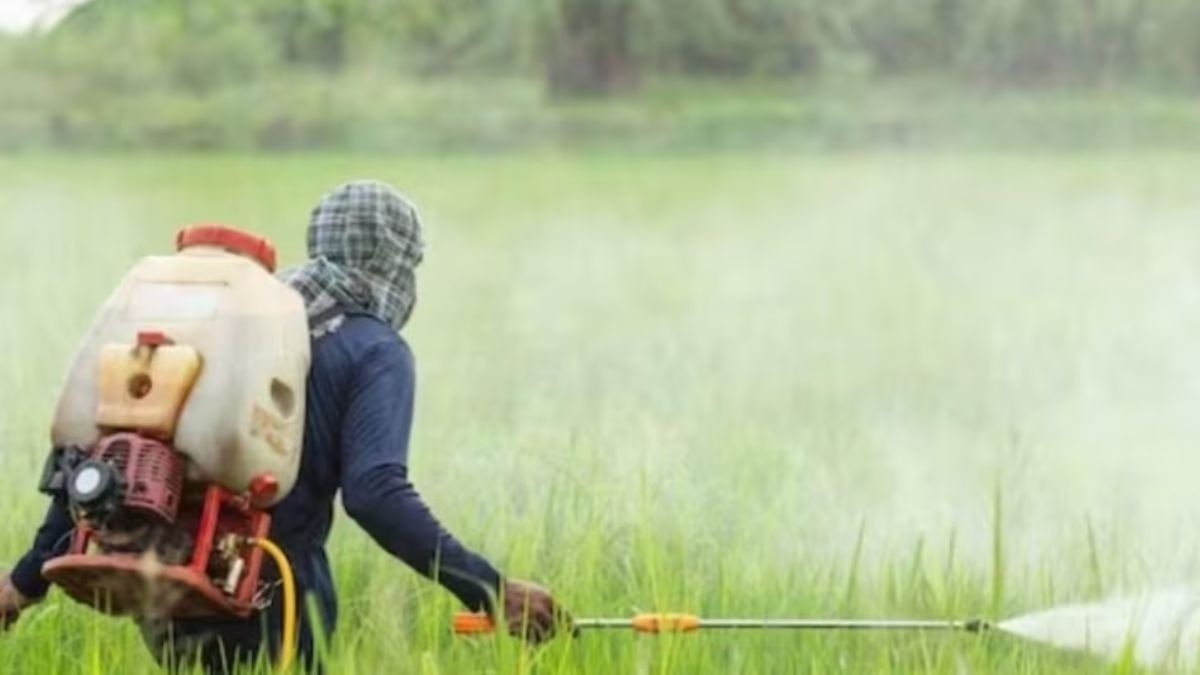
The certification process for organic cotton takes 3 to 5 years. Farmers must undergo field trials twice — once during land preparation and again during the crop season. Many farmers unknowingly or due to lack of awareness use chemical fertilizers or pesticides, which violates organic norms and results in rejection of certification. Even after getting certification, the produce often fails export standards due to trace chemicals.
Another major issue is low productivity. While Turkey produces 1,687 kg per hectare, India’s average is only 508 kg per hectare. The shift to organic farming also increases labour costs, especially for weeding and harvesting, as it is mostly manual work. Bio-pesticides are less effective and have shorter shelf life, making crops more vulnerable to pests.
Experts believe that better seeds, simplified certification, strong supply chains, and guaranteed premium prices are needed to make organic cotton farming viable for Indian farmers. Without these reforms, even though India is number one globally, its organic cotton farmers continue to struggle.
The government is promoting organic and bio-fertilizers to reduce chemical use, but without addressing these ground-level challenges, the dream of sustainable and profitable organic farming remains distant.